7 Popular Interior Design Styles in Indonesia and How to Choose

Photo by Minh Pham / Unsplash
Scroll through enough home design inspiration and the terms start to blur together — modern, minimalist, industrial, Scandinavian. They can look similar at a glance, but each style follows different rules for color, material, and furniture choice. Picking the wrong one for your space (or your budget) is one of the most common regrets among first-time homeowners. This guide walks through seven interior design styles that are especially popular in Indonesia right now, along with practical guidance on how to choose the one that actually fits your home.
Why Choosing an Interior Design Style Matters
A clear style isn't just about aesthetics — it's a decision-making framework. Once you know you're working in, say, a minimalist direction, choosing furniture, paint colors, and even lighting becomes faster because you have a filter to measure each option against. Without a defined style, homeowners often end up mixing pieces that clash, overspending on items that don't belong together, or redoing rooms multiple times.
Style also affects practicality. Some styles suit small, humid, tropical homes better than others, while some are better suited to larger spaces with strong architectural features like high ceilings or exposed structural elements. Understanding this upfront saves both money and frustration later in the project.
7 Popular Interior Design Styles
Modern Interior
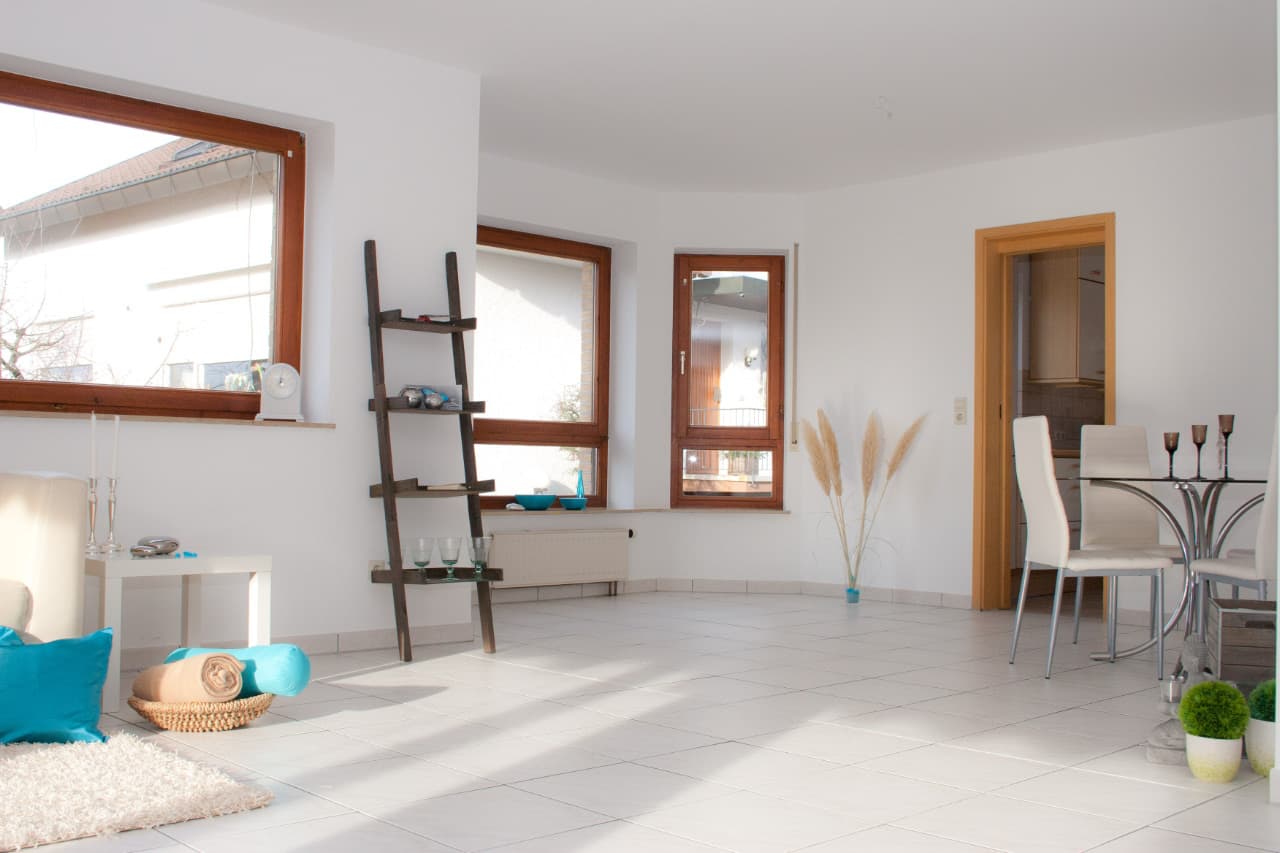
Modern interior design is defined by clean lines, neutral or earth-tone palettes, and a strong emphasis on function. Furniture is simple in shape but high in quality, with minimal carving or ornamentation. It's a flexible, low-risk choice that works in nearly any home, from compact apartments to larger family houses.
Industrial Interior
Borrowing from old warehouses and factories, industrial style features exposed brick, black metal frames, and raw or unfinished surfaces like concrete and bare wood. It works particularly well in homes or commercial spaces with open floor plans and higher ceilings, and is a favorite for cafes, home offices, and loft-style apartments.
Minimalist Interior
Minimalist design strips a room down to its essentials — a limited color palette, hidden storage, and only the furniture that's genuinely needed. This makes it especially effective in smaller homes, such as the type 36 and type 45 houses common in many Indonesian housing developments, since it visually opens up tight floor plans.
Luxury Interior
Luxury interiors lean into premium materials — marble, brass, velvet — paired with statement lighting and custom-made furniture. While it's typically associated with larger budgets, smaller luxury accents like a single chandelier or a marble-effect side table can bring the same feel into a more modest space.
Scandinavian Interior
Scandinavian style favors light woods, soft whites and greys, and a calm, uncluttered layout designed to maximize natural light. It shares some DNA with minimalism but feels warmer, often incorporating textured textiles, plants, and cozy lighting to soften the overall look.
Traditional Interior
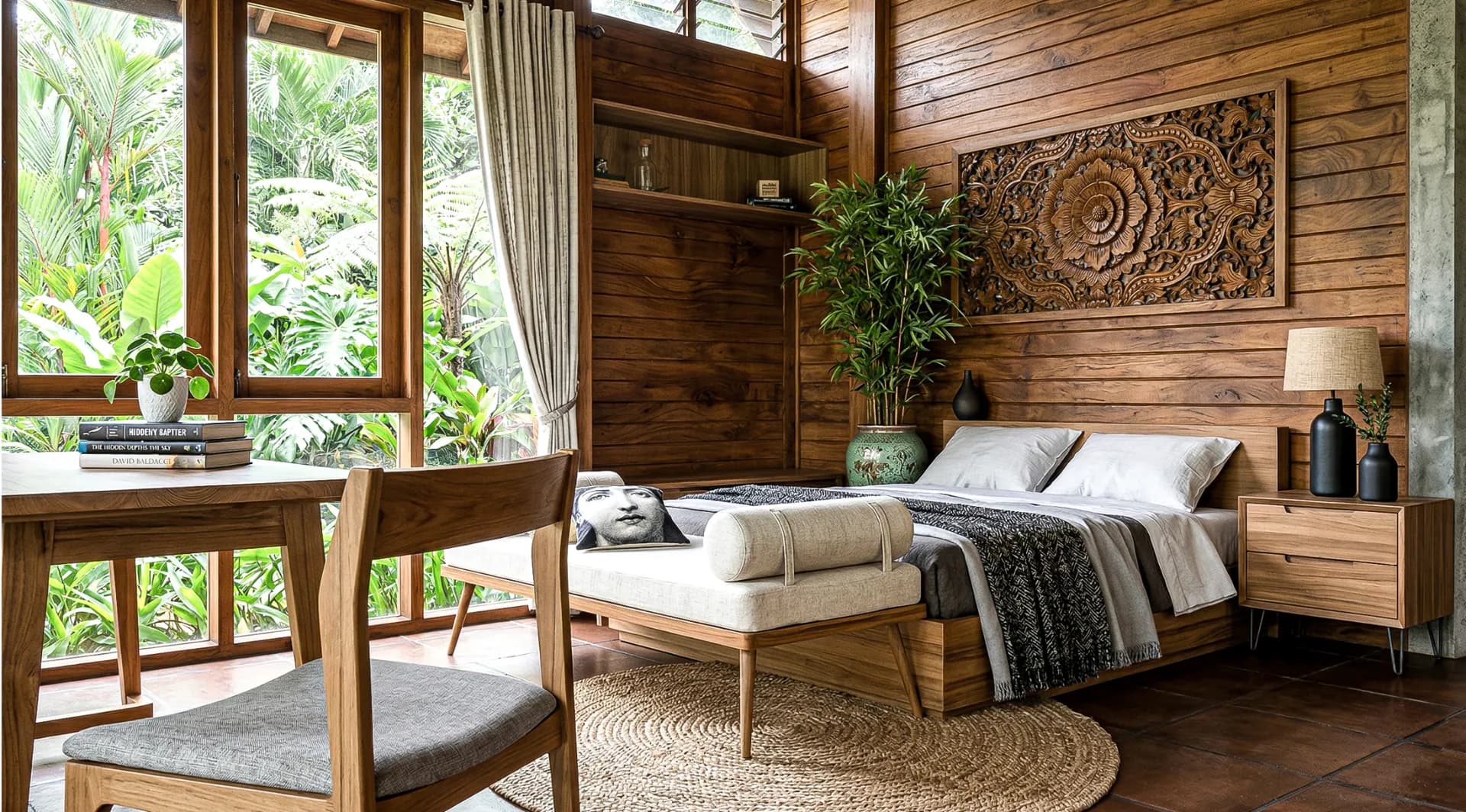
Traditional interiors draw on classic design elements — ornate woodwork, rich color palettes, symmetrical layouts, and furniture with more detailed silhouettes. In Indonesia, this style is often blended with local craftsmanship, such as carved wood furniture or batik-inspired textiles, giving it a distinct regional character.
Eclectic Interior
Eclectic design intentionally mixes elements from multiple styles — a vintage chair next to a modern sofa, or industrial lighting above a Scandinavian dining table. Done well, it creates a personal, collected-over-time feel; done poorly, it can look chaotic. It generally works best for homeowners who already have a strong sense of what they like and are comfortable curating rather than following a single rulebook.
How These Styles Adapt to Indonesia's Tropical Climate
Most of the styles above were born in cooler, drier countries. In Indonesia, and especially in Bali, they are usually adapted into a tropical modern look: clean modern lines combined with natural timber, stone, large openings and cross ventilation. Humidity is the deciding factor. Materials that look right in a Scandinavian catalogue can swell, warp or corrode here, so the style and the materials have to be chosen together.
Two of our Bali projects show how this works in practice:
- Purnama House in Denpasar is a modern tropical renovation. The cabinetry is finished in HPL for moisture resistance, exterior railings and frames are powder-coated steel to prevent corrosion, and large openings keep air moving through the house.
- Sang Tirta Resort in Seminyak takes its cues from traditional Indonesian architecture: pitched roofs, an exposed timber structure and wide glazing. The timber is kiln-dried hardwood with protective coatings, detailed with ventilation gaps to keep it away from standing moisture.
If you like the calm of Scandinavian or minimalist interiors, a tropical modern version keeps the clean look but uses materials that cope with heat and humidity. Traditional and luxury styles translate well too, through local craftsmanship such as carved timber and natural stone.
How to Match a Style to Your Home's Character

Photo by iKshana Productions / Unsplash
Matching Style to Home Size
Smaller homes generally benefit from styles that reduce visual clutter, such as minimalist or Scandinavian interiors, since fewer, well-chosen pieces make rooms feel more open. Larger homes have more flexibility to carry heavier styles like industrial or traditional, which often rely on bigger furniture and stronger architectural statements to feel balanced rather than overwhelming.
Matching Style to Budget
If budget is a primary constraint, modern and minimalist styles tend to be the most cost-effective, since they rely on fewer pieces and simpler materials rather than custom or imported finishes. Luxury and traditional styles, by contrast, often require higher-end materials and custom craftsmanship, which pushes costs up significantly. A practical middle ground many homeowners choose is a modern base with one or two luxury accents, capturing some of the premium feel without the full premium price tag.
Still unsure which style fits your space? Our Architecture / Interior service starts with a concept consultation and moodboard, then 3D renders, so you can see a style in your own rooms before anything is built. Updating an existing home instead? See our renovation service.
Not sure where to start? Your first consultation by phone or WhatsApp is free. Chat with us on WhatsApp or send us your project details and we'll reply within 24 hours.