Photo by Lumbardh Plluzhina / Unsplash
Designing your own home for the first time can feel overwhelming. Between endless mood boards, conflicting advice, and a long list of decisions — from wall colors to furniture layout — it's easy to not know where to start. This guide breaks interior design down into simple, practical steps so you can plan your home with confidence, whether you're working with a tight budget or hiring a professional.
What is Interior Design and Why It Matters
Interior design is the practice of planning and shaping the indoor spaces of a home or building so they are both functional and visually pleasing. It goes beyond picking furniture or paint colors — it involves understanding how a space will be used, how people move through it, and how light, proportion, and materials work together to create a comfortable environment.
Good interior design matters because it directly affects daily comfort, productivity, and even mood. A well-planned living room encourages relaxation and conversation. A thoughtfully designed kitchen makes cooking faster and less stressful. Beyond comfort, a well-designed home also tends to hold its value better and is easier to sell or rent in the future.
Difference Between Interior Design and Decoration
These two terms are often used interchangeably, but they're not the same thing. Decoration refers to surface-level styling — choosing cushions, artwork, curtains, or accessories to enhance the look of a space. Interior design is broader and more structural: it considers layout, traffic flow, lighting placement, electrical points, storage planning, and how rooms connect to one another. In short, decoration makes a room look good; interior design makes a room work well and look good.
Basic Elements: Color, Texture, Lighting
Every interior design decision builds on three foundational elements:
- Color: Sets the mood of a room. Light, neutral tones make small spaces feel airy, while darker tones add coziness and depth to larger rooms.
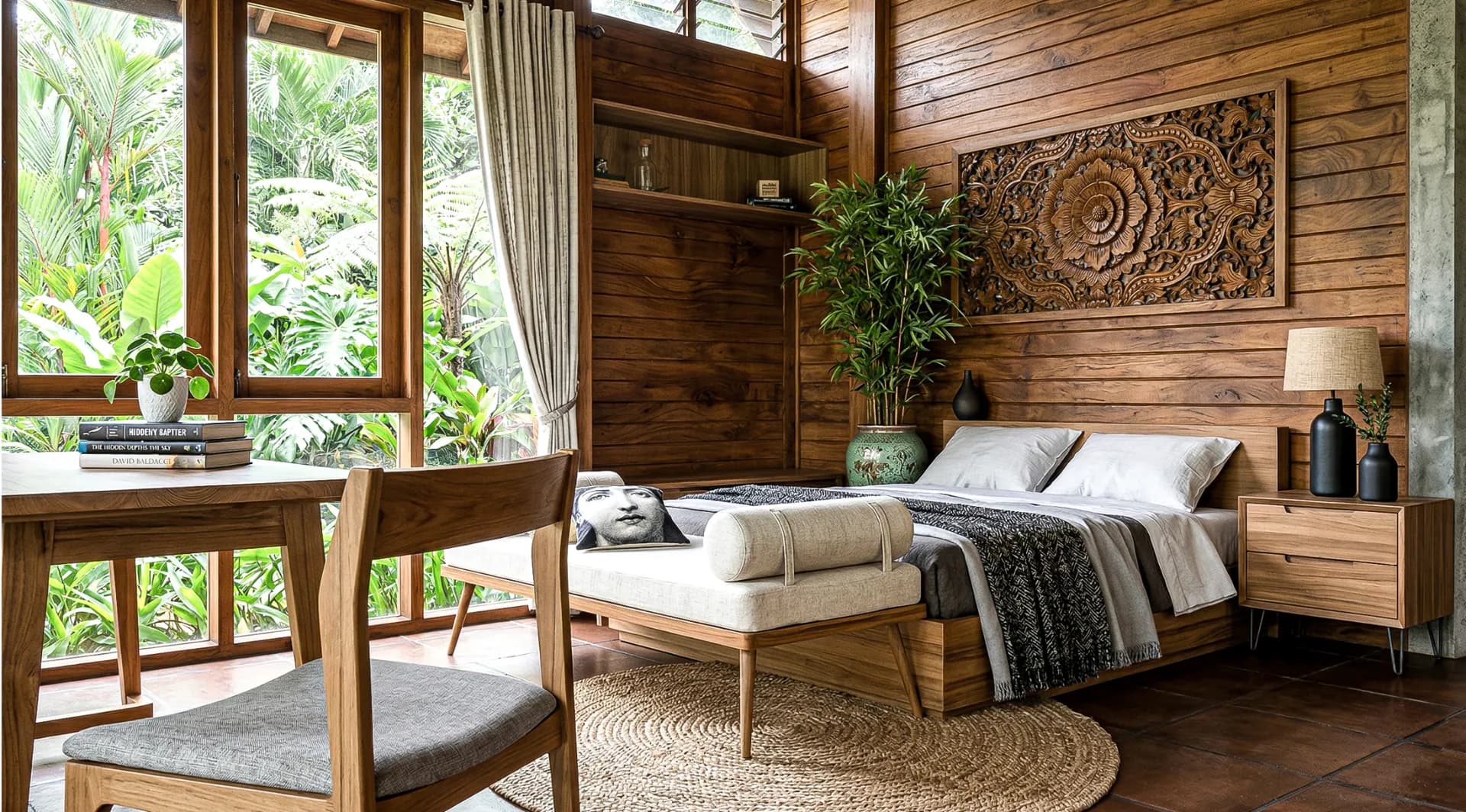
- Texture: Adds visual interest and depth through materials like wood, rattan, linen, or concrete — especially important in minimalist spaces where color palettes are limited.
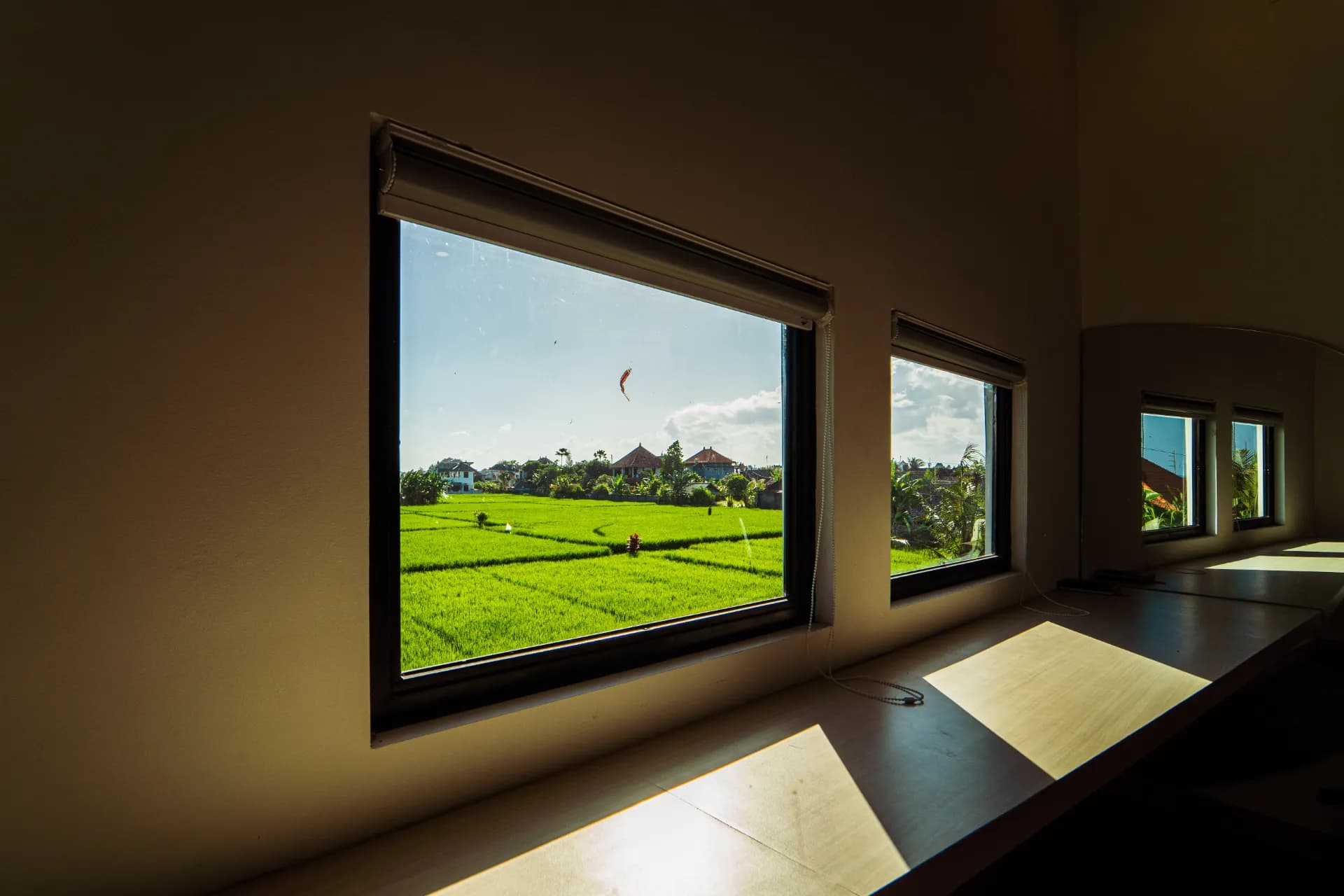
- Lighting: Often the most overlooked element. A mix of natural light, ambient lighting, and task lighting can transform how a space feels at different times of day.
Setting an Interior Design Budget
Before choosing a style or browsing furniture catalogs, it helps to set a realistic budget range. A simple way to start is by separating costs into three categories: structural work (electrical, flooring, built-ins), furniture and furnishings, and styling details (decor, art, plants). Allocating roughly 50% to furniture, 30% to structural elements, and 20% to styling is a reasonable starting point for most homes, though this can shift depending on whether you're renovating from scratch or simply refreshing an existing space.
Understanding Different Interior Design Styles

Photo by iKshana Productions / Unsplash
One of the most common struggles for beginners is choosing a style that feels right and is practical for everyday life. Below are four styles that are especially popular in Indonesia right now.
Modern Interior
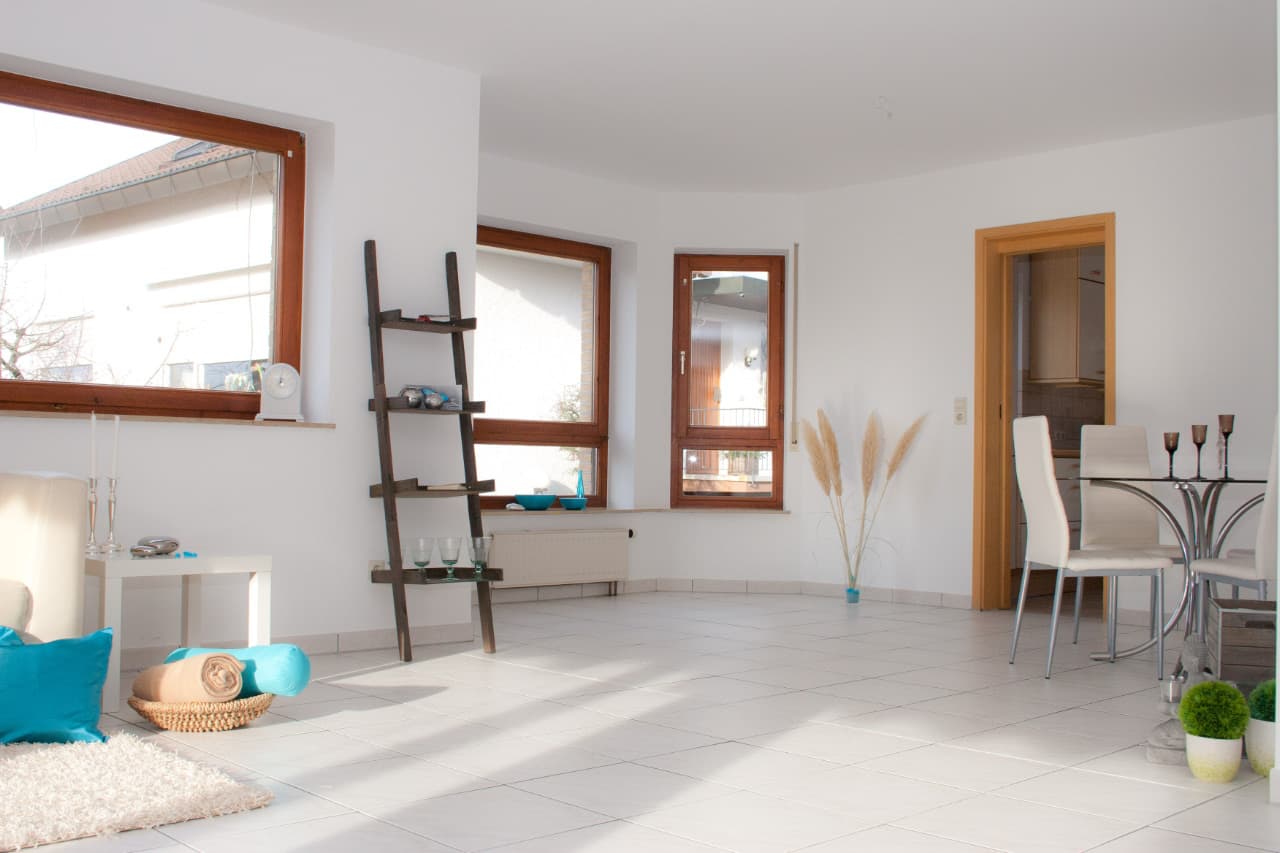
Modern interior design favors clean lines, neutral or earth-tone palettes, and a curated mix of function and aesthetics. Furniture tends to be simple in form but high in quality, with minimal ornamentation. This style works well for almost any home size because it avoids visual clutter.
Industrial Interior
Industrial style draws inspiration from warehouses and factories — think exposed brick, black metal frames, and raw or unfinished surfaces. It pairs well with open floor plans and is popular for cafes, home offices, and loft-style apartments.
Minimalist Interior
Minimalist design strips a space down to its essentials: limited color palettes, hidden storage, and only the furniture that's truly needed. It's especially well-suited to smaller homes, such as type 36 or type 45 houses common in Indonesian housing developments, since it visually maximizes limited square footage.
Luxury Interior
Luxury interiors emphasize premium materials — marble, brass, velvet — along with statement lighting and custom furniture. While it's typically associated with higher budgets, certain luxury accents like a single statement chandelier or a marble-effect coffee table can be incorporated affordably into other styles.
For a side-by-side comparison of seven styles, including how they adapt to a tropical climate, read 7 Popular Interior Design Styles in Indonesia and How to Choose.
First Steps in Planning Your Home Interior

Photo by rawkkim / Unsplash
Once you have a sense of style and budget, the planning process itself follows a fairly predictable sequence:
- Measure your space and sketch a basic floor plan, noting windows, doors, and fixed elements like plumbing or electrical points.
- Define how each room will primarily be used — a living room used mainly for entertaining guests needs a different layout than one used for daily family time.
- Choose a color palette and stick to two or three dominant colors throughout connected spaces for visual consistency.
- Prioritize big-ticket items first (sofas, beds, kitchen sets) before filling in with smaller decor pieces.
- Leave room in the budget and timeline for adjustments — most first-time homeowners change at least one major decision once furniture is in place.
Planning for a Tropical Climate
If your home is in Bali or elsewhere in tropical Indonesia, add one more step to the plan: choose materials for humidity, not only for looks. Damp air, heat and strong sun make untreated timber warp, cheap boards swell and bare steel rust. In practice that means moisture-resistant cabinet finishes such as HPL, treated or kiln-dried hardwood, powder-coated steel for railings and frames, and layouts with large openings so air can move through the rooms. You can see these choices in Purnama House, a modern tropical renovation in Denpasar.
Tips for Choosing an Interior Design Service
Not every project needs a full-service interior designer, but for larger renovations or when time is limited, working with a professional can save money in the long run by avoiding costly mistakes. When evaluating an interior design service, look for a portfolio that matches the style and scale of your project, ask for a clear cost breakdown before work begins, and confirm timelines in writing. A good service should also be transparent about which costs are fixed and which depend on material choices, so there are no surprises midway through the project.
If you're ready to move from planning to execution, our Architecture / Interior service covers these steps for you: concept consultation and moodboard, 3D renders, technical shop drawings and a RAB cost estimate before you commit to building. Browse our Bali projects to see the work.
Ready to start your interior design project? The first consultation by phone or WhatsApp is free. Message us on WhatsApp or tell us about your project.